



Return to Office Isn’t About Coming Back. It’s About Moving Forward.
The return to office is reshaping what employees need from today’s workplace. MTA Design Manager Alicia Cole shares how thoughtful design can create environments where people thrive.

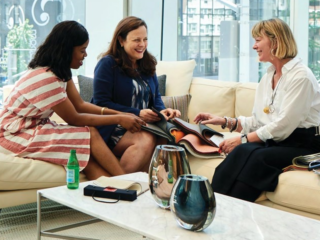
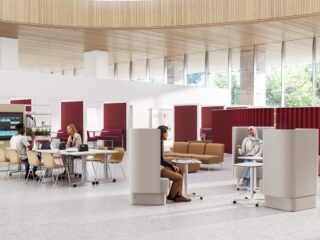
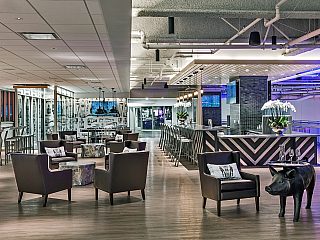
The return to office has sparked an important conversation about how workplaces should function in a post-pandemic world. To better understand the role design plays in that transition, I sat down with MTA’s Design Manager, Alicia Cole, to explore what employees need from today's workspaces and how organizations can create environments where people can thrive.
Why Personalization Matters
One of the most impactful workplace design elements isn't furniture or layout. It's personalization. When employees feel a sense of ownership over their workspace, they're more likely to feel connected, comfortable, and engaged throughout the day.
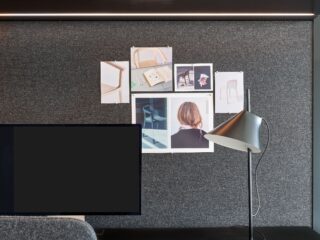
During our conversation, Alicia emphasized that even small touches can make a meaningful difference. Family photos, plants, favorite stationery, postcards, or personal mementos can help transform a standard workstation into a space that feels uniquely yours. As Alicia notes, the items we surround ourselves with can influence everything from our mood to our sense of belonging.
For employees working in shared environments or smaller cubicles, personalization doesn't have to be complicated. Designated storage, personalized office supplies, or even a simple nameplate can help create a workspace that feels welcoming and functional.
Featured Product: Geiger One Private Office
Designing for Productivity and Wellbeing
According to Alicia, great workplace design goes far beyond aesthetics. The physical environment has a direct impact on productivity, creativity, collaboration, and overall job satisfaction.
One of the biggest misconceptions she sees is the idea that workplace design should remain unchanged because "that's how it's always been done." As employees' needs continue to evolve, so should the spaces that support them.
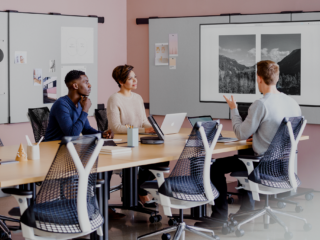
"The future of the workplace is flexibility," Alicia explains. Organizations that prioritize adaptable, employee-centered environments are better equipped to support both their people and their business goals. From focus rooms and acoustic solutions to collaborative spaces, thoughtful design can help employees do their best work while feeling supported throughout the day.
This is where MTA's workplace design expertise comes into play. Our team works closely with clients to understand how their employees work, collaborate, and focus, then develop tailored solutions that support those behaviors. The result is a workplace designed not just for today, but for the future.
When asked to describe her approach to design, Alicia emphasized that her style is guided by each client’s vision:
“My design style reflects my client’s vision.”
Her philosophy is to apply the principles of good design to create an environment that represents the image each client wants to convey. Rather than simply following the latest trends, Alicia focuses on creating spaces that embody who her clients want to be and how they want to work. It’s an approach that reflects the way we work at MTA: understanding people, translating their vision into thoughtful solutions, and creating workplaces that feel authentic, functional, and built for the future.

Featured products: HMI Ubi Work Tools, Large Organizer